
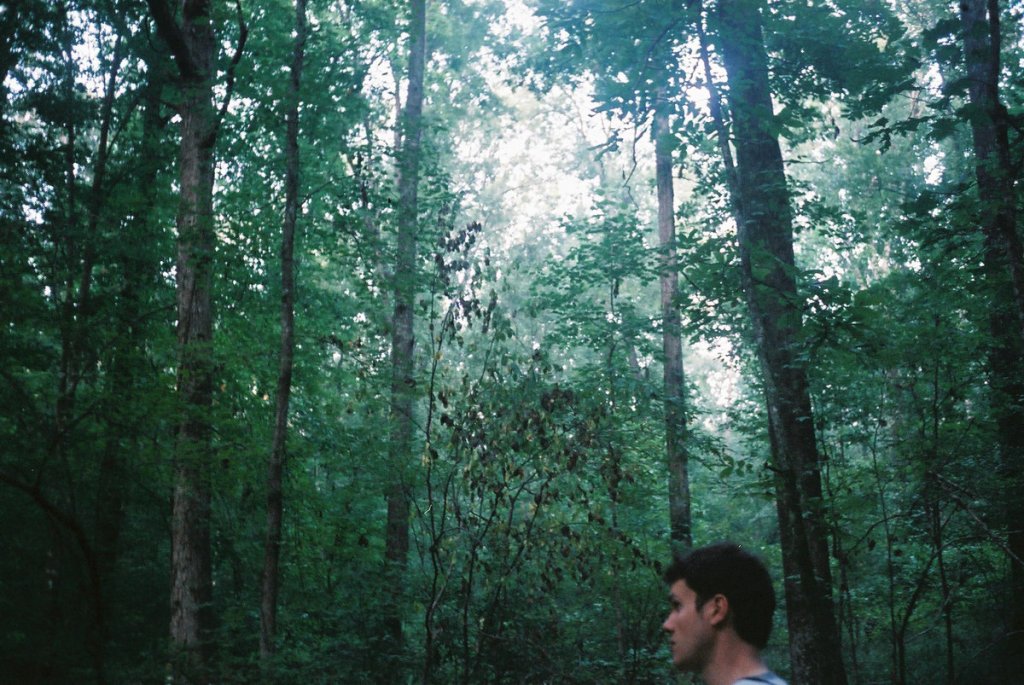
Will Long and his late wife Danielle Baquet founded Celer in 2005, while living in California. Long continued to develop the project after her passing in 2009, and has made a new life for himself in Tokyo. He is admired around the world, for both his artistry and outsized work ethic. The Celer catalogue contains more than 100 releases – many of them regarded as the best drone recordings available. Long also produces deep house music, released under his own name.
Long and I traded e-mails last week.
As much as we love your music, we’re fascinated by the volume of work you’ve released. How do recordings come together for you?
I guess it’s pretty difficult to pinpoint where ideas originate, whether it’s processing past experiences, current and present situations, pure imagination or a mixture. But, I don’t think it’s so important to know specifically where they come from, but instead how it comes out and whatever story it becomes.
Musically, it depends on the particulars. But for example, if I’m using tape loops, usually it involves recording a lot of improvisation on different instruments, and then cutting them into loops and layering them together like a collage to see what fits and what it creates together. Usually I don’t have a particular idea, or it becomes something completely different than I imagined. From there I just add effects, and do basic mixing on the computer between tracks or with field recordings.
Keep on working. Don’t try to make things perfect. Practice. Don’t pay attention to what anyone says you should do or shouldn’t do. Appreciate mistakes, they’re usually the best parts.
Will Long
It would seem that you’re constantly thinking about your next project. How much of your time is dedicated to music generally, and recording specifically?
Not specifically, but I try to always be proactive and creative. Since music is basically my job now, I work on it for at least several hours every day. That involves many different things though, not necessarily recording. Just keeping in practice with instruments is important, because otherwise it’s easy to forget how to use them. Recording just happens randomly, for the most part.
What’s made you – or perhaps allowed you – to be so prolific?
When I started Celer, it really wasn’t meant to be anything serious, just something to pour my creative energy into. In that way, making recordings and eventually albums isn’t such a big deal. Not knowing the restraints of rules, and not really paying attention to the normalcy of how people do things typically helps. That made it possible to just make music and release it when I could or wanted to.
It probably helps that I usually finish projects quickly once I get started, rather than getting too familiar with it. It’s important to keep it fresh, then move on to something else.
What has Celer meant to you – personally and professionally?
I’m glad that I’ve been able to share my experiences and creations with people, and I hope it has meant something to them. But overall, it’s just like a diary of certain experiences or imagination that I’m able to share. Professionally, I’d say that I’m more of a dedicated amateur.
Do you have advice for artists who’d like to be more prolific?
Keep on working. Don’t try to make things perfect. Practice. Don’t pay attention to what anyone says you should do or shouldn’t do. Appreciate mistakes, they’re usually the best parts.
If someone who’d never heard your music before asked, which recordings would you recommend they listen to first?
If you’re a completist, I’d say to start at the beginning. Or start at the top, and work backwards. If you’re just going to choose one or two, I’d suggest just picking the cover that you like the most. Choose your own adventure.
 The Moderns
Leave a Reply